


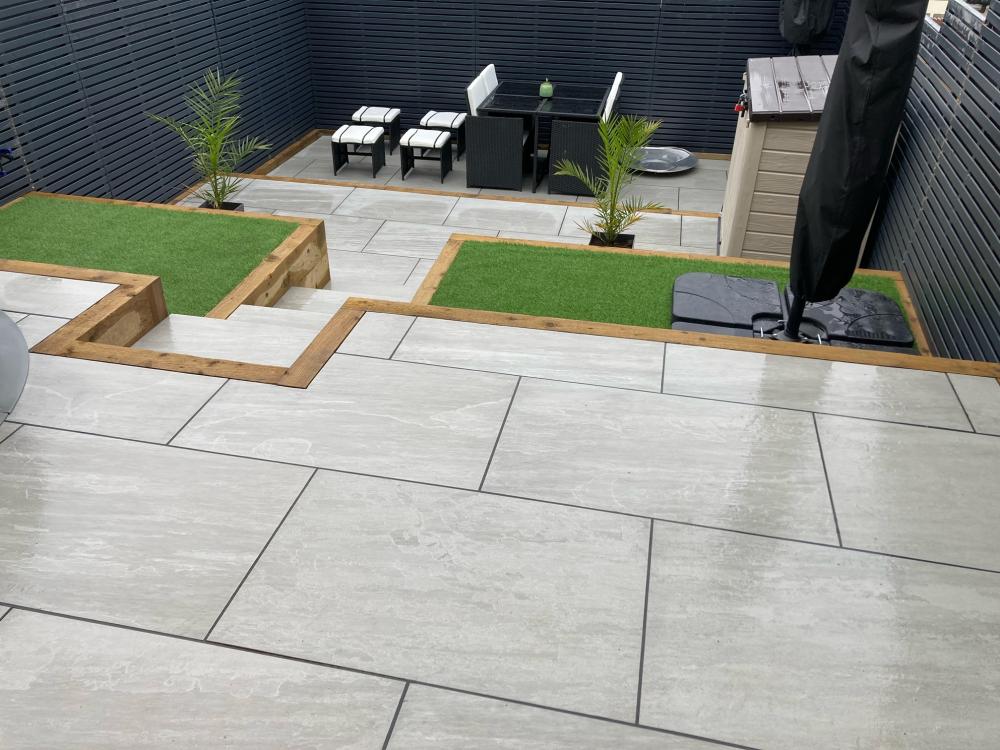
Porcelain paving is a popular choice for patios, driveways, walkways, and outdoor living spaces and for good reason. If you’re wondering whether it can truly handle the real-world conditions outside (rain, frost, UV exposure, foot traffic, and everyday spills), the short answer is: yes, porcelain paving is both highly durable and extremely weatherproof when installed correctly. Below, we’ll break down what makes porcelain paving perform so well outdoors, what conditions it’s designed to resist, and what you should consider to get the best long-term results. Porcelain is made from refined clay and fired at very high temperatures. This process creates a dense, hard-wearing material with excellent performance characteristics, especially compared to many other paving options. Two key properties matter most for outdoor paving: 1) Low water absorption Good porcelain paving is designed to absorb very little water. Many porcelain paving products have water absorption rates around 0.5% or lower. That matters because less absorbed water means: 2) Freeze–thaw durability In areas where temperatures drop below freezing, paving materials must withstand repeated cycles of freezing and thawing. Porcelain’s low porosity and strong structure help it resist damage from these cycles. Important note: Even the most weather-resistant paving can fail if the installation is incorrect (e.g., poor drainage or insufficient support). Proper substrate preparation and drainage are critical. 3) High strength and impact resistance Porcelain is extremely dense and resilient, making it resistant to: While no outdoor surface is indestructible, porcelain is widely chosen because it keeps its appearance and structure better than many alternatives over time. 4) Surface hardness and stain resistance Many porcelain slabs are either glazed or feature a through-body design. Both approaches can offer strong stain resistance, especially against common outdoor messes like: Porcelain’s non-porous nature helps reduce staining because liquids are less likely to soak in. Outdoor paving faces constant UV exposure. Porcelain paving is typically colour-stable and does not fade quickly like some lower-quality ceramics or surface-applied finishes. That means your patio or driveway is more likely to maintain its look for years, especially when paired with the right cleaning routine and suitable installation system. Porcelain paving is generally suitable for outdoor temperature fluctuations because its manufacturing process creates a stable structure. However, like all hard paving materials, performance depends on: A high-quality porcelain product used within its intended limits can handle typical climate swings effectively. Weatherproof is one thing and traction is another. Many porcelain outdoor ranges are available in anti-slip finishes (often rated by slip resistance testing such as R, C, or specific wet/audit criteria depending on region). If you want safe outdoor paving, choose a traction-focused finish for areas such as: This is especially important because even durable paving becomes a problem if it’s too slippery when wet. One reason people love porcelain paving is that it’s generally low maintenance: Tip: For stubborn algae or organic growth, use an appropriate outdoor cleaner and follow the instructions. Avoid harsh chemical treatments unless recommended for your specific porcelain and grout type. Even though porcelain is tough, weatherproof durability depends heavily on installation quality. For best results, focus on: If water is allowed to collect under or within the installation, even low-absorption paving can suffer issues indirectly (e.g., movement, cracking in the substrate, or grout problems). How long does porcelain paving last outdoors? With proper installation and routine cleaning, porcelain paving commonly lasts for many years and often decades. Longevity depends on traffic, climate, and installation quality. Does porcelain paving crack in frost? Porcelain is designed to resist freeze thaw due to its low water absorption, but cracking can still occur if the substrate is unstable or drainage is poor. Does porcelain paving need sealing? Many porcelain paving products do not require sealing. Some finishes or special products may have specific guidance, check your manufacturer’s instructions. Is porcelain slippery when wet? It can be, depending on the finish. Choose an outdoor porcelain with an appropriate anti-slip rating for wet areas. So, is porcelain paving durable and weatherproof? Just remember: the “weatherproof” part isn’t only about the paving slab, it also depends on proper installation, drainage, and suitable grout/adhesive/jointing systems. Get in touch with us now! For more information on driveway porcelain paving slab tiles and to explore the available options, visit We Like Stone. We would be pleased to assist you with any inquiries or quotes you may have regarding any of our Kandla Grey Porcelain Paving Slab Tiles and other porcelain products! The most common questions we get are answered here, but if you have any more, don't hesitate to get in touch with us at hello@welikestone.co.uk or 01733 639004. Why Porcelain Paving Performs So Well Outdoors
Weatherproof: Rain, Moisture & Freeze–Thaw Resistance
Durability: Built for Wear, Impact & Everyday Use
UV Stability: Will It Fade in Sunlight?
Heat & Thermal Shock: Can Porcelain Handle Temperature Swings?
Slip Resistance: Safety in Wet Conditions
Maintenance: Easy, Low-Drama Cleaning
Installation Matters: The Real Secret to Long-Term Performance
FAQ: Is Porcelain Paving Really Durable and Weatherproof?
Conclusion: A Weatherproof Choice You Can Rely On
Yes. Porcelain paving is widely considered one of the most reliable options for outdoor use thanks to its: